
How to Build Wealth Over Time: Proven Financial Principles

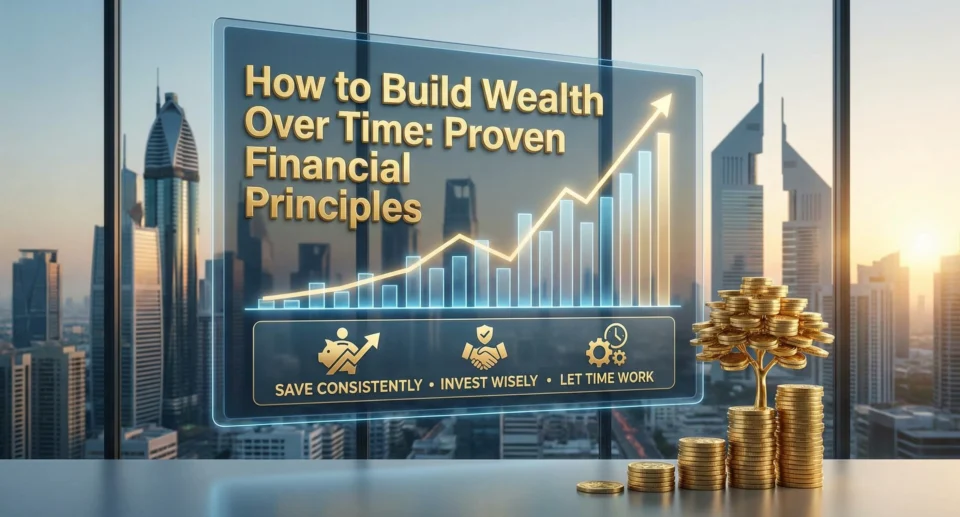
Table of Contents
Let’s get one thing straight from the start: building wealth isn’t about getting lucky, chasing trends, or making one brilliant move. It’s quieter than that. Slower. Sometimes even boring.
And honestly? That’s a good thing.
Real wealth is built the same way strong habits are built—over time, with consistency, and with a few smart rules you stick to even when no one’s watching. You don’t need to be a finance expert. You don’t need a huge salary. You just need to understand how money behaves and learn how to work with it instead of against it.
Let’s talk about what actually works in real life.
Start with the right mindset (this part matters more than you think)
Before numbers, budgets, or investments, there’s mindset. Ignore this, and everything else feels harder than it needs to be.
Wealth isn’t just about how much money you make. It’s about how you think about money.
People who build wealth tend to see money as a tool, not a reward. They don’t rush to spend every extra dollar. They pause. They plan. They ask, “What can this money do for me later?”
That doesn’t mean living miserably or denying yourself joy. It means being intentional. There’s a difference.
Once you stop trying to look rich and start trying to be financially stable, things shift quickly.
Spend less than you earn (yes, it’s basic—and yes, it’s essential)
This sounds obvious. Almost too obvious. But it’s the foundation everything else sits on.
If more money goes out than comes in, wealth has no place to grow. No investment strategy can fix that.
The goal isn’t extreme frugality. It’s awareness.
Know where your money is going. Not roughly. Not “I think.” Actually know.
When you see your spending clearly, a funny thing happens. You naturally start cutting what doesn’t matter. And you don’t feel deprived—you feel relieved.
A simple rule that works surprisingly well:
If you get a raise or extra income, don’t upgrade your lifestyle immediately. Let your savings and investments feel the upgrade first.
Build an emergency fund before chasing big returns
This step doesn’t feel exciting, and that’s exactly why people skip it. They shouldn’t.
An emergency fund is what keeps a bad situation from turning into a financial disaster. Job loss. Medical bills. Sudden repairs. Life happens.
Without a safety net, people panic. They sell investments too early. They take on bad debt. They undo years of progress in a few weeks.
Aim for three to six months of basic expenses. Keep it boring. Keep it accessible. Don’t overthink it.
Peace of mind has a return too—even if it doesn’t show up on a chart.
Get comfortable with long-term thinking
Wealth grows slowly at first. Almost painfully slowly. This is where most people quit.
In the early stages, your savings won’t look impressive. Your investments won’t feel life-changing. That’s normal.
Compounding doesn’t show off in the beginning. It whispers. Years later, it starts speaking louder.
The people who win are rarely the smartest. They’re the ones who stay invested long enough for time to do the heavy lifting.
If you constantly jump strategies, chase quick wins, or panic during downturns, you reset the clock every time.
Long-term thinking isn’t passive. It’s patient.
Understand the power of compounding (without overcomplicating it)
Here’s the simplest way to think about compounding:
You earn money on your money.
Then you earn money on that money too.
That’s it.
The key ingredients are time and consistency. Not perfection.
Even modest, regular investments can grow into something meaningful if you give them enough years. Starting earlier often matters more than starting bigger.
If you ever feel like you’re “late,” don’t use that as an excuse to do nothing. Start now. Time rewards action, not regret.
Invest, but don’t gamble
There’s a fine line between investing and gambling, and emotion usually decides which side you’re on.
Investing is boring by design. It’s planned, diversified, and based on logic. Gambling is exciting, reactive, and driven by hope.
You don’t need to chase the “next big thing.” You don’t need to beat the market. You just need steady exposure to assets that grow over time.
That often means:
Broad market investments
Long holding periods
Ignoring daily noise
If something promises fast, easy returns with little risk, pause. That’s usually your cue to walk away.
Diversification isn’t fancy—it’s protective
Putting all your money in one place feels bold. It’s also risky.
Diversification spreads your risk so one bad decision doesn’t wipe you out. Different assets behave differently in different conditions. That balance matters.
Think of it like not relying on a single source of income, or not betting everything on one plan. You’re not limiting your upside—you’re protecting your downside.
And staying in the game is how wealth is actually built.
Control debt before it controls you
Not all debt is evil, but unmanaged debt is expensive—financially and mentally.
High-interest debt quietly drains your future. It limits choices. It adds pressure.
Wealth-building gets much easier when your money is working for you, not paying off yesterday’s decisions.
A good approach:
Eliminate high-interest debt as a priority
Be cautious with lifestyle debt
Understand the true cost of borrowing
Freedom feels lighter when you don’t owe everyone.
Increase your income when you can—but don’t rely on it alone
Earning more helps. No doubt about it.
But here’s the catch: higher income doesn’t automatically create wealth. Many high earners live paycheck to paycheck because spending rises right alongside income.
The real advantage of earning more is what you do with the extra.
When income increases and lifestyle stays mostly the same, wealth accelerates fast. That gap is powerful.
Focus on skills, opportunities, and growth—but keep your habits grounded.
Automate the smart decisions
Willpower is unreliable. Automation isn’t.
When saving and investing happen automatically, you remove emotion from the process. No debating. No procrastinating. No “I’ll do it next month.”
Set it up once. Let it run quietly in the background.
The less you have to think about it, the more consistent you’ll be. And consistency is where results come from.
Stay calm during market ups and downs
Markets move. Sometimes sharply. That’s normal—even when it doesn’t feel like it.
The biggest mistakes usually happen during emotional moments:
Panic selling when prices fall
Overconfidence when everything’s rising
Neither extreme helps.
If your plan is solid and long-term, short-term noise matters far less than it seems. Wealth rewards calm behavior over clever reactions.
When in doubt, do less—not more.
Learn continuously, but keep it simple
You don’t need to consume every finance book or follow every expert online.
Learn the basics well. Understand why you’re doing what you’re doing. Then stick with it.
Too much information often leads to confusion and inaction. Simplicity builds confidence.
If a strategy makes sense to you and fits your life, you’re more likely to stay with it. That’s what matters.
Be patient with yourself
Progress isn’t linear. Some months will feel great. Others won’t.
You’ll make mistakes. Everyone does. What matters is learning without quitting.
Wealth isn’t built by never failing. It’s built by continuing anyway.
Small, steady steps beat dramatic bursts followed by burnout.
What building wealth really looks like
It looks like:
Saying no sometimes, without guilt
Making boring decisions consistently
Thinking in years, not weeks
Letting time do its work
It’s not flashy. It doesn’t show up overnight. But it’s real—and it lasts.
Final thoughts
Building wealth over time isn’t a secret formula. It’s a set of principles that work quietly when you apply them consistently.
You don’t need to be perfect. You just need to start, stay steady, and give yourself time.
If you do that—really do that—you’ll be surprised where you end up.
Conclusion Description
This guide breaks down wealth-building into clear, human principles that focus on patience, consistency, and smart decision-making. It’s not about shortcuts—it’s about building something that lasts.
If you want this adapted for beginners, students, or a more casual or professional tone—or adjusted to a specific word count—just say the word.